
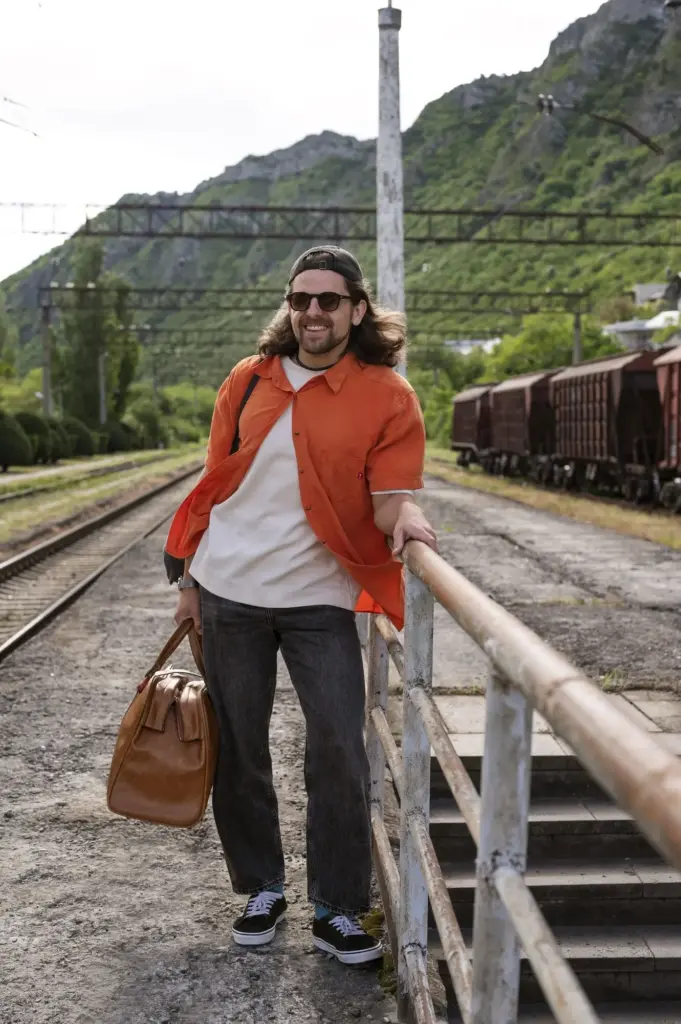
From Platform to Path: Train-to-Trail Journeys Across the UK
Step aboard and step out: today we celebrate Train-to-Trail Adventures UK, revealing how Britain’s railways unlock wild ridgelines, coastal paths, and story-filled villages without a car. Expect real routes, planning tricks, and heartfelt tales that begin on the platform and end beneath wide skies. Share your favourite line-to-path combination, subscribe for fresh itineraries, and join a welcoming community that travels light, treads lightly, and returns home with contented legs, muddy boots, and a camera roll overflowing with weather-kissed horizons.
Perfect Starts from Iconic Stations
Some doors open to ticket halls; these open to ridgelines, moors, and glittering bays. Britain’s stations are portals to unforgettable footpaths, where a short walk from the platform puts you on ancient rights of way. From Edale’s Pennine gateway to Corrour’s windswept solitude and the luminous curve of St Ives Bay, these connections prove adventure can begin the moment the carriage doors slide apart.
Edale to Kinder Scout
Step off at Edale and your boots find the Pennine Way almost immediately, carrying you toward Kinder Scout’s brooding plateau. Weather shifts fast above the Dark Peak, so bring layers and respect peat groughs. Reward yourself with a pub supper before the gentle glide back to the city, windows fogged by warmth, heart buoyed by wind, gritstone edges, and that first real climb.
Corrour and Rannoch Moor
When the West Highland Line deposits you at Corrour, there’s no road, only sky, water, and heather murmuring in the wind. Follow faint paths onto Rannoch Moor and feel small in the best possible way. Carry a map and compass, know your limits, and visit the Station House for sheltering stories. Film buffs whisper about Trainspotting; walkers cherish the hush between distant lochans.
St Ives and the South West Coast Path
The little branch train rounds Porthminster with windows full of turquoise surf, then releases you to golden sand and cliff-top paths. Turn west for sea spray and seals, east for quiet coves and granite outcrops. Check tide times, sunhats, and last trains. End with fish and chips watching gulls spiral, then let the rails hum you home as the horizon melts to pewter.
Smart Tickets, Timings, and Connections
Great journeys begin with good timing. Learn when off‑peak windows stretch your budget, how railcards unlock generous savings, and why planning that final mile matters as much as the first. Use journey planners for rail, then pair with local bus timetables to bridge valleys and passes. Build generous buffers for engineering works, and always, always know your last dependable train home.
Make Railcards Work Hard
Whether you carry a 16–25, Two Together, Senior, or Network Railcard, the percentage saved compounds across weekends away and spontaneous day hikes. Store cards in your phone wallet, travel off‑peak where possible, and combine advance tickets with flexible returns. Those pounds spared transform into better maps, bakery treats by the platform, and the satisfying feeling of wandering farther than your budget ever expected.
Split-Ticketing Without Headaches
Split-ticketing can legitimately lower costs, provided the train calls at each split station. Use reputable tools, read refund rules, and watch for services requiring reservations. Prioritize fewer changes when carrying wet gear, and avoid tight connections after sunset. Savings mean little if stress rises; let your itinerary breathe, and convert a small wait into tea, route checks, and a calm, confident step-off.
Synchronize with Local Buses
That last beautiful stretch often rides on a humble bus. In Eryri, the Snowdon Sherpa network links stations with high passes; in the Highlands, coaches thread glens and ferry quays. Check Traveline, local operators, and real-time updates. Screenshot timetables, carry cash, and remember school-day variations. A well-timed bus can open circular routes and ambitious traverses without needing to retrace tired miles.
Four-Season Layers That Actually Work
Build a reliable system: breathable base, insulating mid, stormproof shell. Merino or synthetic beats cotton when showers surprise. A light beanie, glove liners, and a packable puffy rescue chilly platforms. Train carriages can swing from drafty to toasty; quick-adjust layers keep comfort steady. Finish with reliable socks and gaiters for peat, splashy paths, and that famously persuasive British drizzle.
Navigation That Survives Rain and Batteries
Paper OS maps in a waterproof case pair beautifully with a simple compass and an offline GPX on your phone. Mark escape routes, note bus stops, and screenshot timetables. Carry a power bank, protect cables, and learn bearings before the cloud lowers. What3Words can help in emergencies, yet nothing replaces calm, practiced navigation when fog turns the moor into a minimalist painting.
Comfort Items You’ll Thank Yourself For
A tiny sit mat transforms windy lunch stops; blister patches rescue days otherwise lost. Pack a microfibre towel for surprise downpours, a compact deodorant for considerate carriages, and dry bags to quarantine soggy layers. A simple brew kit lifts morale beside viaduct shadows. These details weigh little, yet multiply joy, smoothing the transition from wild path to warm, gently rocking train.
Packing Light for All-Weather Britain
Skies change quickly across moor, fell, and shore. Pack lean, think layers, and protect the small essentials that keep momentum steady when rain needles sideways. Your train companions will thank you for tidy, contained kit, and your knees will applaud a pack that stays under ten kilograms. Dry sacks, thoughtful footwear, and a spare warm layer often spell the difference between endurance and joy.
Weekend Itineraries Without a Car
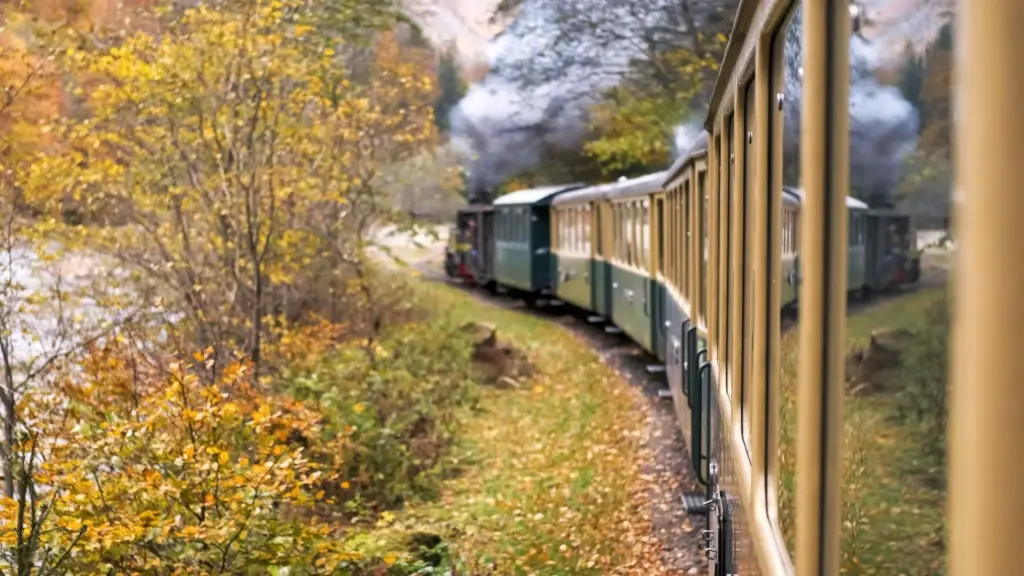
Two days can hold a lifetime’s worth of moments when trains do the driving. Start Friday evening, arrive late to a trailhead village, and wander at dawn while others search for parking. We’ve shaped realistic schedules with bail-outs, cafes, and rewarding summits, choreographed around reliable services. Expect generous margins, glorious views, and just enough spontaneity to feel like discovery rather than logistics.
Safety, Etiquette, and the Countryside Code
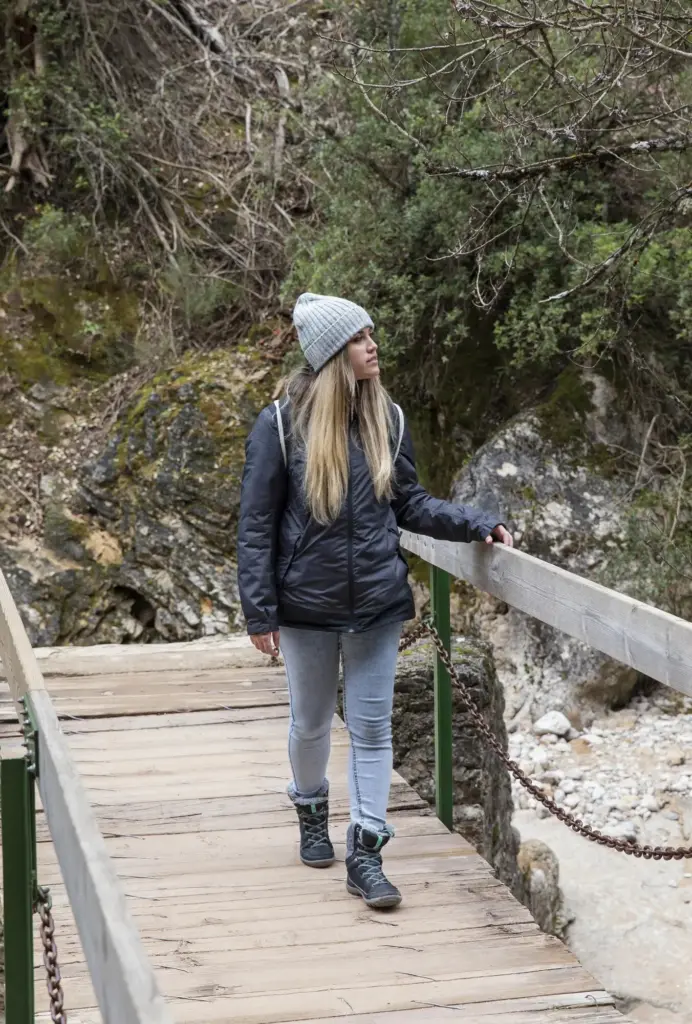
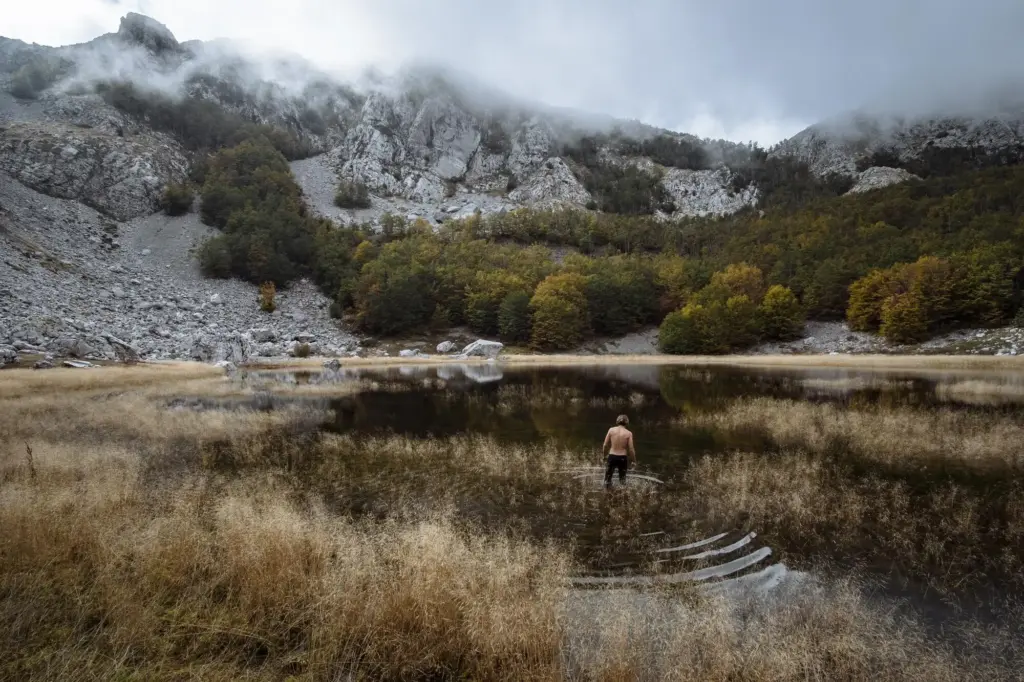
Adventure thrives on respect. Paths cross farms, grouse moors, and conservation zones; trains carry commuters alongside mud-splashed walkers. Keep boots contained, voices low, and litter packed out. Close gates, give livestock space, stick to marked rights of way, and yield with a smile. Preparation turns surprises into stories rather than incidents, ensuring wild places and rail journeys welcome us back again and again.
Heed signage, especially during lambing and nesting seasons. Keep dogs on leads near stock, pass quietly, and never block field access with resting groups. If a path skirts a farmhouse, move considerately and greet residents. Trampled verges and shortcuts scar landscapes; follow waymarks even when puddles tempt detours. Gratitude and courtesy open gates to future wanderers as surely as any key.
Pack out every crumb and tissue, and shake mud from boots away from seats and doors. A small brush or boot bag prevents mess. Clean soles reduce invasive seeds hitchhiking between habitats. Refill bottles at stations when possible, minimizing single-use plastic. On quiet coaches, let scenery provide the soundtrack. These habits keep carriages welcoming and footpaths wild, honoring each journey’s shared spaces.
The Day a Detour Became the Memory
A missed Windermere connection birthed an impromptu golden-hour stroll to Orrest Head, where blue distance layered fells like folded silk. We ate crisps on a bench, traded route ideas with a couple from Leeds, and ambled back under bats. The next train felt like a promise kept: journeys occasionally run late, yet wonder almost always arrives precisely on time.
Coffee, Maps, and Unexpected Friendships
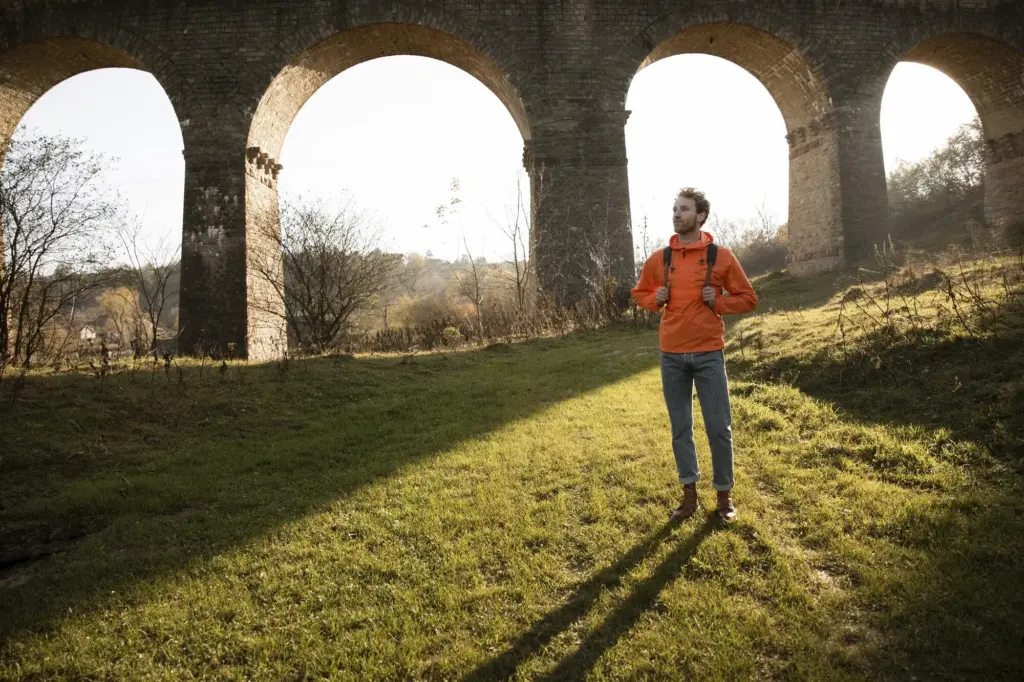
At Ribblehead, steam rose from mugs as the viaduct shrugged off cloud. A retired ranger shared pacing tricks, traced a line toward Ingleborough, and sent us with a story about curlews guarding nests. We returned mud-streaked, laughter-sore, and just in time for tea. Add your station‑side serendipity below, because companionship often begins with a shared contour and a warm kettle.

All Rights Reserved.