
Walk Further, Spend Less: Railcard Routes for Car‑Free Hikers

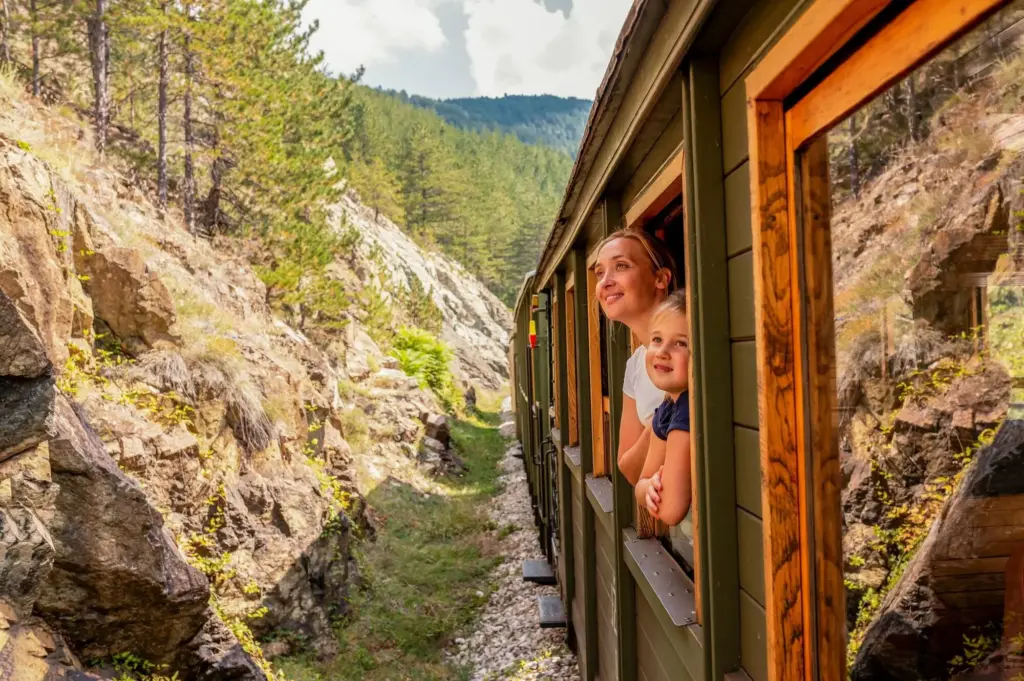
Set your sights on wallet‑friendly adventures where trains deliver you straight to trailheads and savings power every mile. Today we dive into budget itineraries using railcards for car‑free hiking, sharing practical strategies, real journeys, and joyful moments when the carriage doors open onto moorland, cliffs, forests, and lakes. Expect savvy planning tips, gentle cost breakdowns, and encouragement to explore more, tread lightly, and return home tired, happy, and with money left for your next great walk.

How the Savings Stack Up

Understanding where the discounts appear helps you plan confidently and stretch your hiking calendar. Railcards commonly reduce eligible fares significantly, especially off‑peak, making spontaneous day trips and longer rambles feel possible. Combine advance fares, flexible returns, and smart station choices to turn distant paths into regular weekend companions. We’ll consider timing, eligibility, and real‑world examples so your budget reflects mountains conquered rather than pounds evaporated.

Planning Seamless Station‑to‑Trail Days
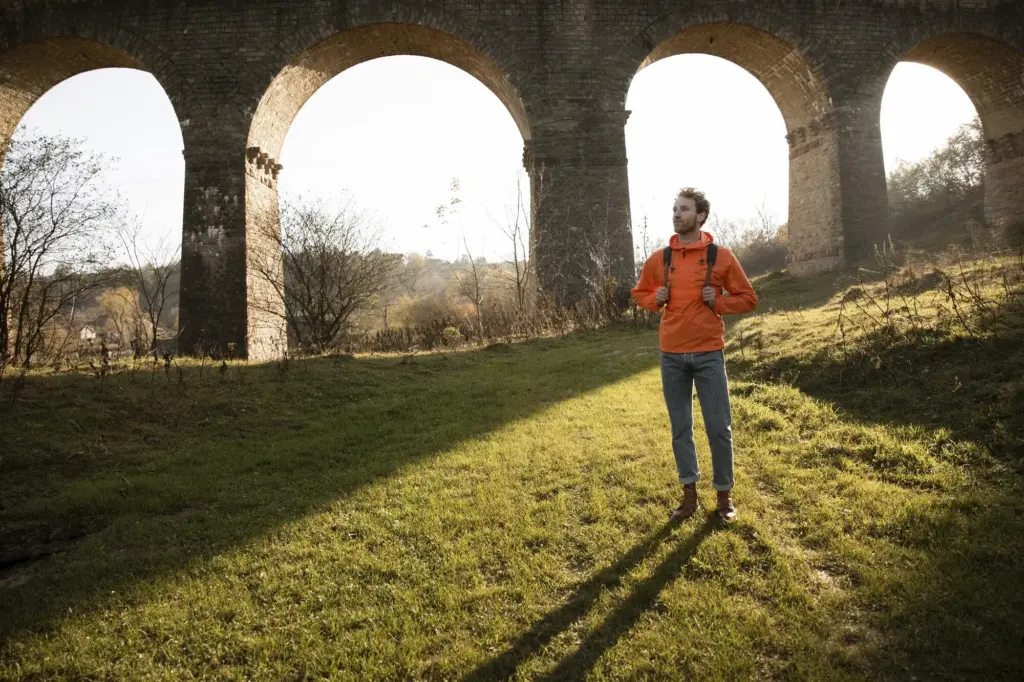
A car‑free hiking day is choreography: a well‑timed train, a calm transfer, and a path that rewards immediately. Choose stations sitting close to trails, research waymarked links, and confirm return options before committing to distant summits. Print or download maps, charge devices, and carry paper backups for peace of mind. With clarity on waypoints and exits, you step off the platform already moving toward heather, waves, or whispering pines.

Rail to Ridge: Three Memorable Walks

Some lines feel purpose‑built for boots. A handful of stations open directly onto ridges, sea cliffs, and lake shores, giving you instant immersion after stepping down from the carriage. These examples highlight achievable day routes with rewarding scenery and straightforward logistics. Tweak distances, allow snack pauses, and always check service updates. Let these ideas spark your own variations, shaped by curiosity, weather, and the slow rhythm of steel and sky.

Hostels and Hiker‑friendly Inns

Look for places that welcome muddy boots, early check‑outs, and late returns. Shared kitchens keep budgets kind, while dorms offer camaraderie and route tips. Drying rooms rescue soaked layers before tomorrow’s ridge. When booking, confirm proximity to stations or evening buses to avoid pricey taxis. Many properties share packed‑lunch options on request, which pairs perfectly with early trains and ambitious distances that begin just as the platforms yawn awake.

Camp and Bothy Etiquette

If camping, research legal spots, local bylaws, and water access before you travel. Arrive late, leave early, and pack everything out. For bothies or simple shelters, share space generously and keep noise low for dawn starts. Always have a fallback near public transport if weather turns. A discreet camp and courteous manners transform car‑free trips into treasured memories while protecting fragile places and the patient goodwill of nearby communities.

Trail Food on a Shoestring

Build caloric, compact menus from supermarket staples: tortillas, nut butter, dried fruit, instant couscous, and robust cheese. Reuse lightweight containers, pre‑measure spices, and carry an insulating sleeve for station‑coffee warmth on cold mornings. Aim for steady carbs and salty snacks to avoid bonks between services. Celebrate your finish with a simple platform picnic before boarding home. Budget eaten wisely becomes distance converted, one cheerful mouthful at a time.

Navigation Confidence

Blend digital tools with analogue backups. Download offline maps, carry a paper sheet and compass, and practice bearings on easy ground before fog or drizzle arrives. Mark escape routes matching bus stops and secondary stations so options stay open. Confidence reduces rushed choices near dusk, keeping your rail connections relaxed. A little rehearsal today spares anxious sprints tomorrow when platforms call and mist blurs the obvious line of travel.

Leave No Trace Near Rails

Rail corridors often border sensitive habitats and private land. Stick to legal rights of way, avoid shortcuts across tracks, and keep noise low by early trains and quiet villages. Pack out litter religiously, including micro trash like tea tabs and fruit stickers. Choose durable surfaces for rests, and respect seasonal restrictions protecting ground‑nesting birds. Your restraint preserves goodwill, keeps access simple, and ensures future hikers inherit routes as welcoming as yours.

Accessibility Considerations

Research station facilities before departure: lifts, ramps, staff assistance windows, and accessible toilets can shape smooth connections. Choose trails with even surfaces and modest gradients when joints grumble or companions prefer gentle terrain. Bus links with kneeling options widen choices. Share precise meeting points and time buffers so groups regroup calmly. Thoughtful planning turns rail travel into a supportive framework, making fresh air and shared horizons truly available to more walkers.

Advanced Fare Craft for Weekend Wanderers

Once basics feel easy, deepen your toolkit with careful comparisons and timetable artistry. Explore whether singles beat returns, shift departure stations to avoid bottlenecks, and consider shoulder‑day starts to capture cheaper hotel nights. Monitor fare alerts, but guard flexibility so weather, track works, or tides don’t corner you. Genuine savings come from calm curiosity rather than loopholes, letting you invest in maps, boots, and extra daylight on the hills.

Split Tickets, Fair and Square

Sometimes dividing a journey into legally valid segments yields better prices without changing seats. Always ensure the train stops at each split station, and compare totals against simple returns to avoid false economies. Factor refund rules and delivery methods if plans shift. Ethical, transparent approaches protect the network and your conscience, proving clever doesn’t need to be complicated when your real objective is more time crunching soft earth underfoot.

Reservations, Flexibility, and Upgrades

Secure a reservation on busy departures to defend itinerary anchors like narrow daylight windows or fixed restaurant bookings. Keep an eye on upgrade opportunities that occasionally appear at modest cost, especially on longer legs after tiring ridge days. Balance comfort with thrift by prioritizing outbound certainty and relaxed inbound freedom. That blend respects sunsets, mitigates crowds, and sustains budgets, leaving you contentedly drowsy as valleys slide past your window.

Contingency for Disruption

Engineering works or weather may reshape your return. Before leaving, note alternate lines, bus replacements, or a shorter loop that lands earlier at the same station. Carry extra calories, a warmer layer, and spare battery to manage waits. Message a buddy with revised timings. Resilience converts setbacks into stories and keeps budgets intact by avoiding last‑minute taxis, ensuring your day finishes with calm footsteps rather than clock‑chasing panic.

Share, Subscribe, and Keep the Wheels Turning
This space thrives on your discoveries. Send route notes, station shortcuts, and thrifty cafés that welcome muddy boots. Ask questions, compare railcards respectfully, and cheer first‑time hikers testing longer distances. Subscribe for fresh itineraries, seasonal reminders, and collective wisdom earned one sunrise at a time. When we pool experiences, savings multiply and horizons widen, turning ordinary weekends into a rolling festival of maps, laughter, and forgiving trail dust.
Nilozerapexiluma
Privacy Overview

This website uses cookies so that we can provide you with the best user experience possible. Cookie information is stored in your browser and performs functions such as recognising you when you return to our website and helping our team to understand which sections of the website you find most interesting and useful.